
Use AI for coaching, not automatic punishment
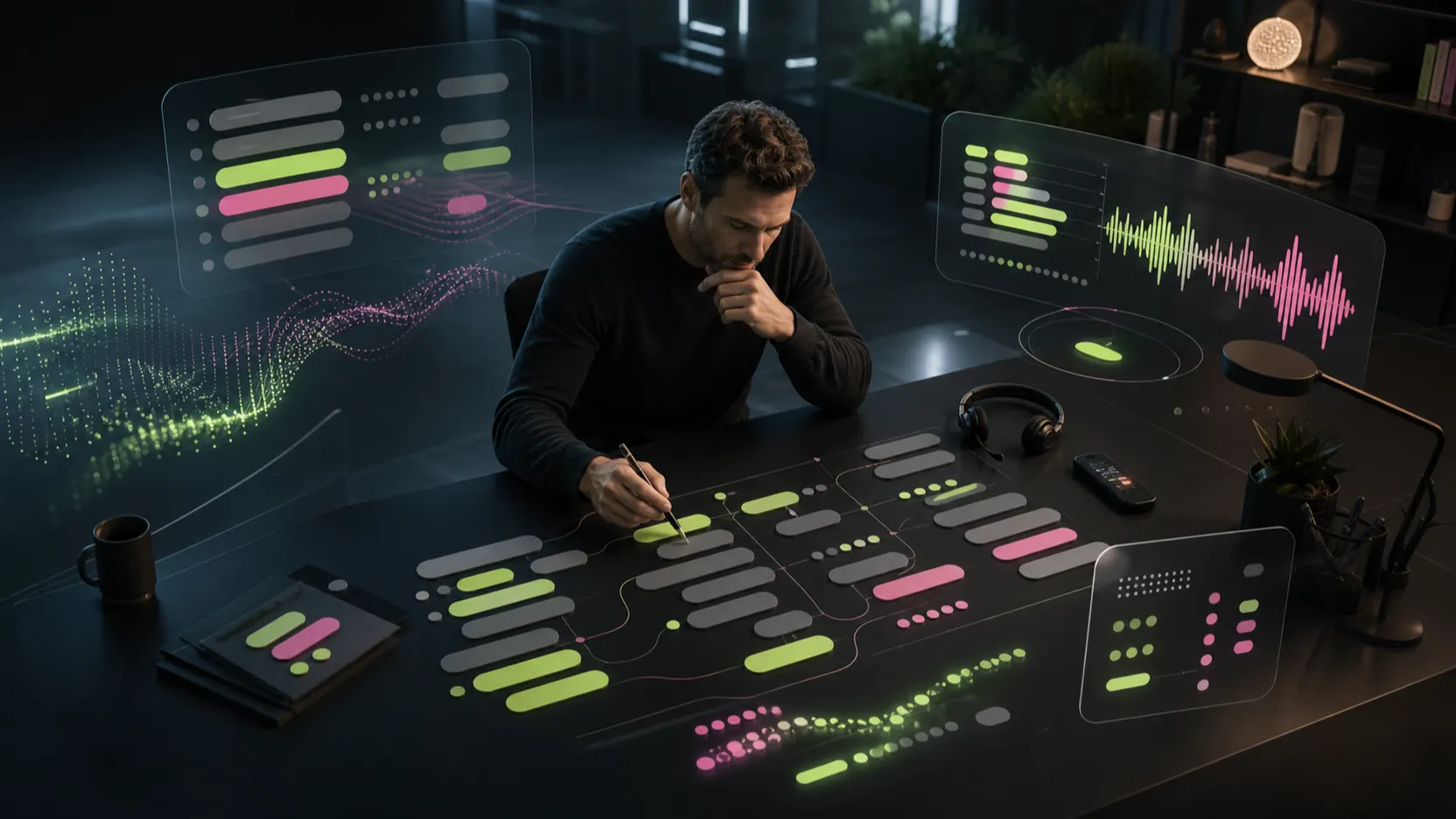
I would not turn AI call analysis into an automatic whip for the sales team. I would start by using it to find recurring questions, missed steps, and phrases that help or hurt the deal.
The mistake I would remove first: One bad transcript can give a rep an unfair score. That is why recording quality, consent to analyze, and the conversation snippet matter more than a pretty report.
What to prepare and what result to expect
- Outcome: The team sees what to improve in the sales process, and the manager gets a sample with examples instead of a subjective score from a single call.
- Define recording legality, the list of roles with access, and a scoring rubric: call goal, questions, next step, objections, and outcome.
- Keep source data and access rights separate from the output so you can audit what the sales call and message review did.
- Test a short recording, poor audio, a multi-party conversation, and a thread with personal data.
Review the conversation so the conclusion is checkable
- Check consent and storage
Before uploading a recording, confirm whether it may be analyzed, where it is stored, and who can see the transcript. Mask phone numbers and payment data.
Проверьте: The registry has the source, retention period, and access owner.
Если не сработало: Start with anonymized training recordings.
- Make the rubric observable
Instead of “good rep,” ask: Did they discover the goal? Did they name a next step? Did they handle the objection? Did they capture a date?
Проверьте: Two managers score the same example the same way.
Если не сработало: Remove the subjective item or add examples of the standard.
- Analyze a sample
Do not run everything at once. Take 10–20 conversations from different sources and compare AI conclusions with manual labeling.
Проверьте: You know the match rate and typical transcription errors.
Если не сработало: Fix recording quality before tuning the prompt.
- Turn output into coaching
Collect themes and specific phrases for practice, not automatic penalties. Show the employee the original snippet and a suggested alternative.
Проверьте: After coaching, a specific process step changes.
Если не сработало: Assign one experiment for the week and measure the next step in the CRM.

A rubric you can verify
Instead of “good call,” define five observable items: customer goal discovered, next step named, timeline captured, objection handled, outcome logged in the CRM. For each, store pass, fail, or not_observed plus a link to the snippet.
Start with 10–20 recordings from different sources. Compare AI labels with manual labels from two managers and separately flag low_audio_quality. Do not mix coaching and disciplinary decisions in one workflow.
- Mask phones, cards, and other personal data.
- Show the employee a quote and an alternative wording, not just a score.
Which metric is useful here
Do not watch the average “AI-score.” Watch change in a specific step: share of calls with a scheduled follow-up, time to CRM logging, conversion for one request type. If the metric does not move after coaching, the issue may be the process, not the rep’s skill.
I score observable actions, not a rep’s personality
Create a rubric: `goal_discovered`, `next_step_named`, `timeline_fixed`, `objection_answered`, `crm_updated`. The answer may be `pass`, `fail`, or `not_observed`, but every fail needs a link to the transcript snippet.
Start with 10–20 recordings of mixed quality and compare AI with manual labels from two managers. Bad audio gets `low_quality` and is excluded from scoring. Separately measure whether a specific CRM step changed after coaching—average AI-score alone proves nothing.
What to measure on a call, and what to leave as opinion
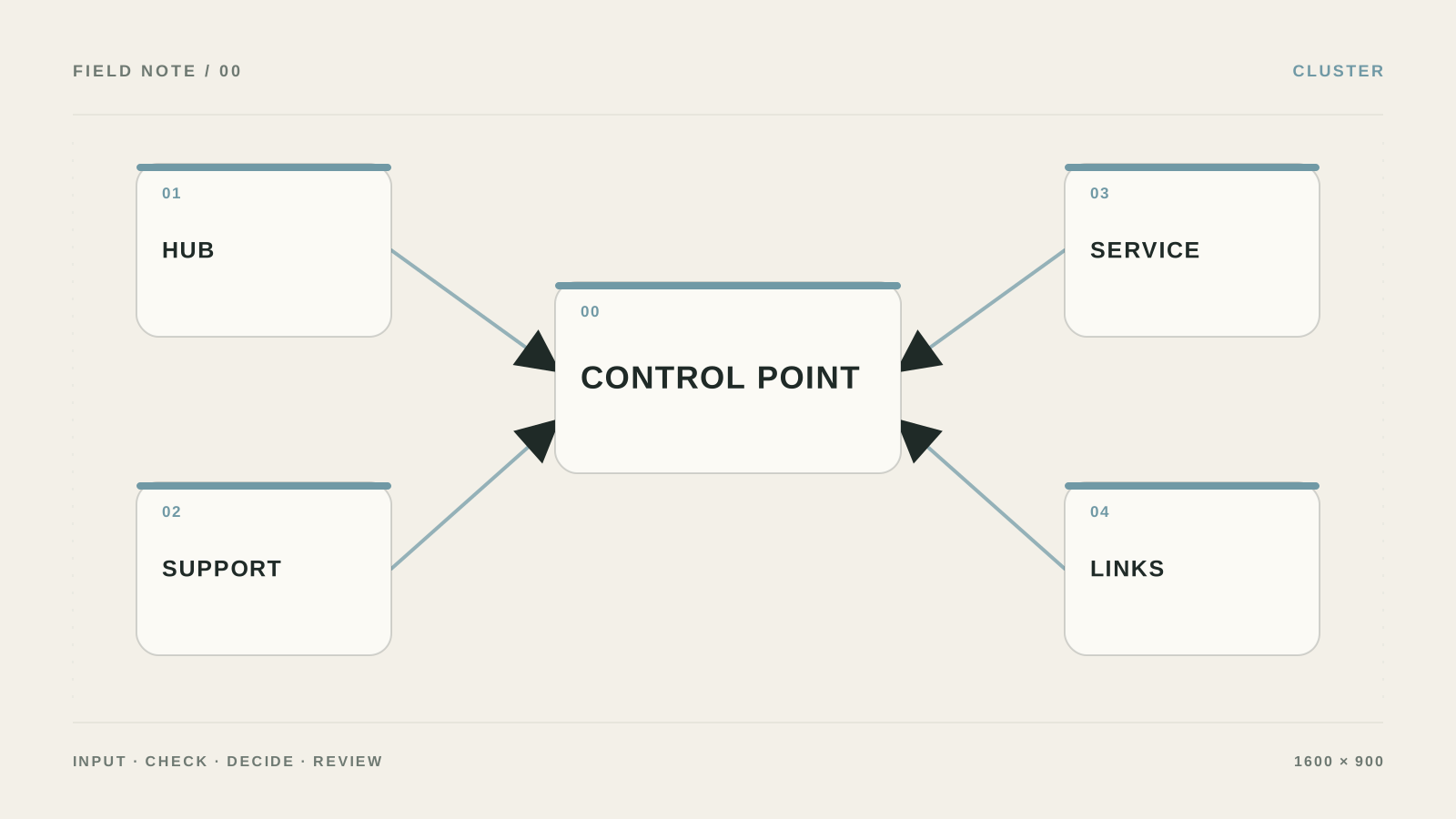
| Criterion | Question | Good sign |
|---|---|---|
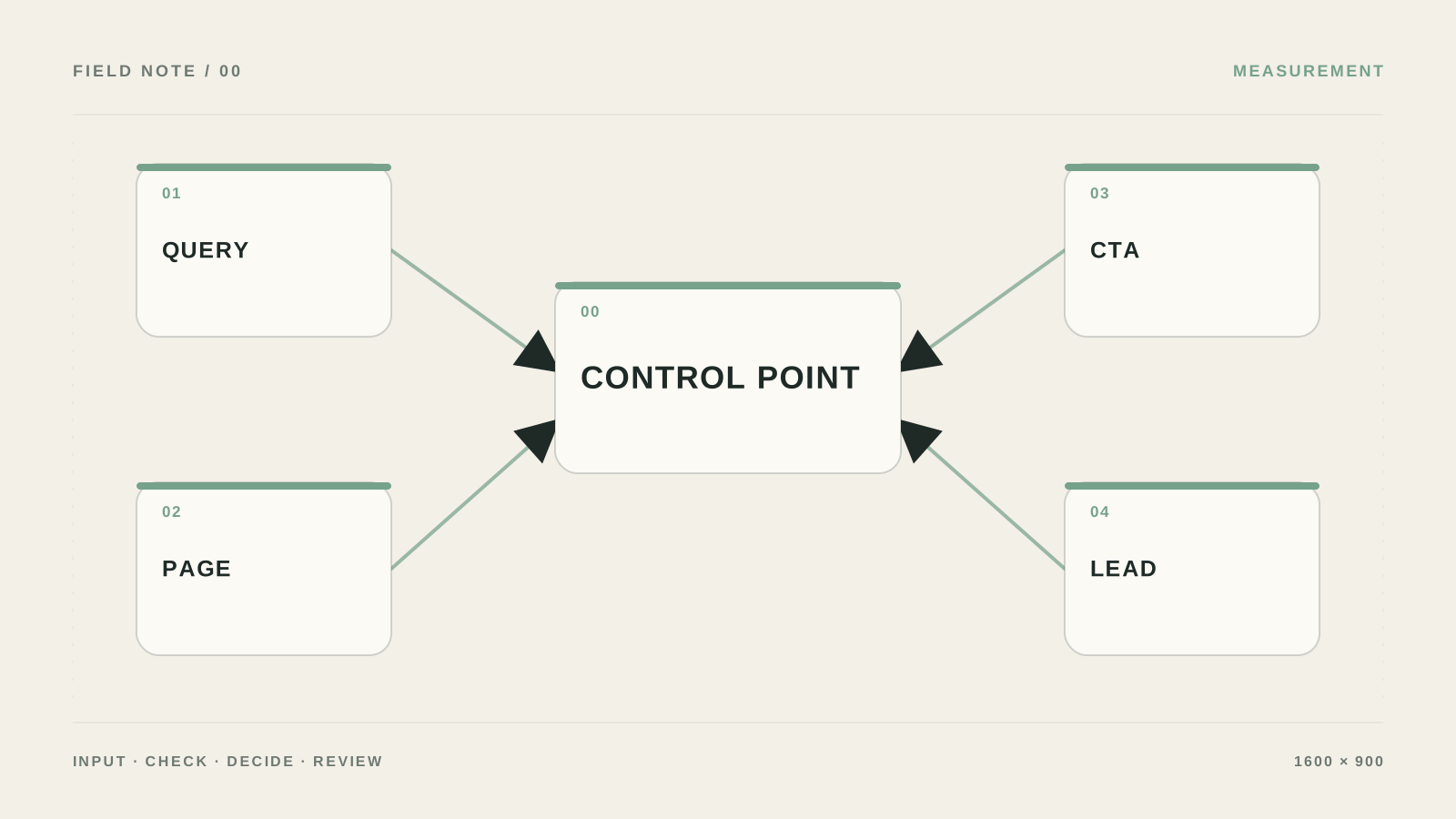
| Input | What exactly enters the sales call and message review? | Define recording legality, the list of roles with access, and a scoring rubric: call goal, questions, next step, objections, and outcome. |
| Action | What is the system allowed to do on its own? | Only prelisted actions, without access to the entire account |
| Check | How do you know the result is acceptable? | Test a short recording, poor audio, a multi-party conversation, and a thread with personal data. |
| Failure | Where does an unclear case go? | Mark the recording low_quality or needs_review and do not use it for employee evaluation. |
What should change after setup
The team sees what to improve in the sales process, and the manager gets a sample with examples instead of a subjective score from a single call.

Where sales analysis becomes unfair
Analyzing recordings without checking consent and access.
Treating a confident tone as a sign of a good sale.
Drawing conclusions from a single recording.
Showing an employee a score without a snippet and explanation.
When conversations need to be protected as separate data
You need a specialist if recordings are high-volume, regulated, stored across systems, or if results will affect compensation.
What to check on the first ten recordings
Who is this approach for when working with sales call and message review?
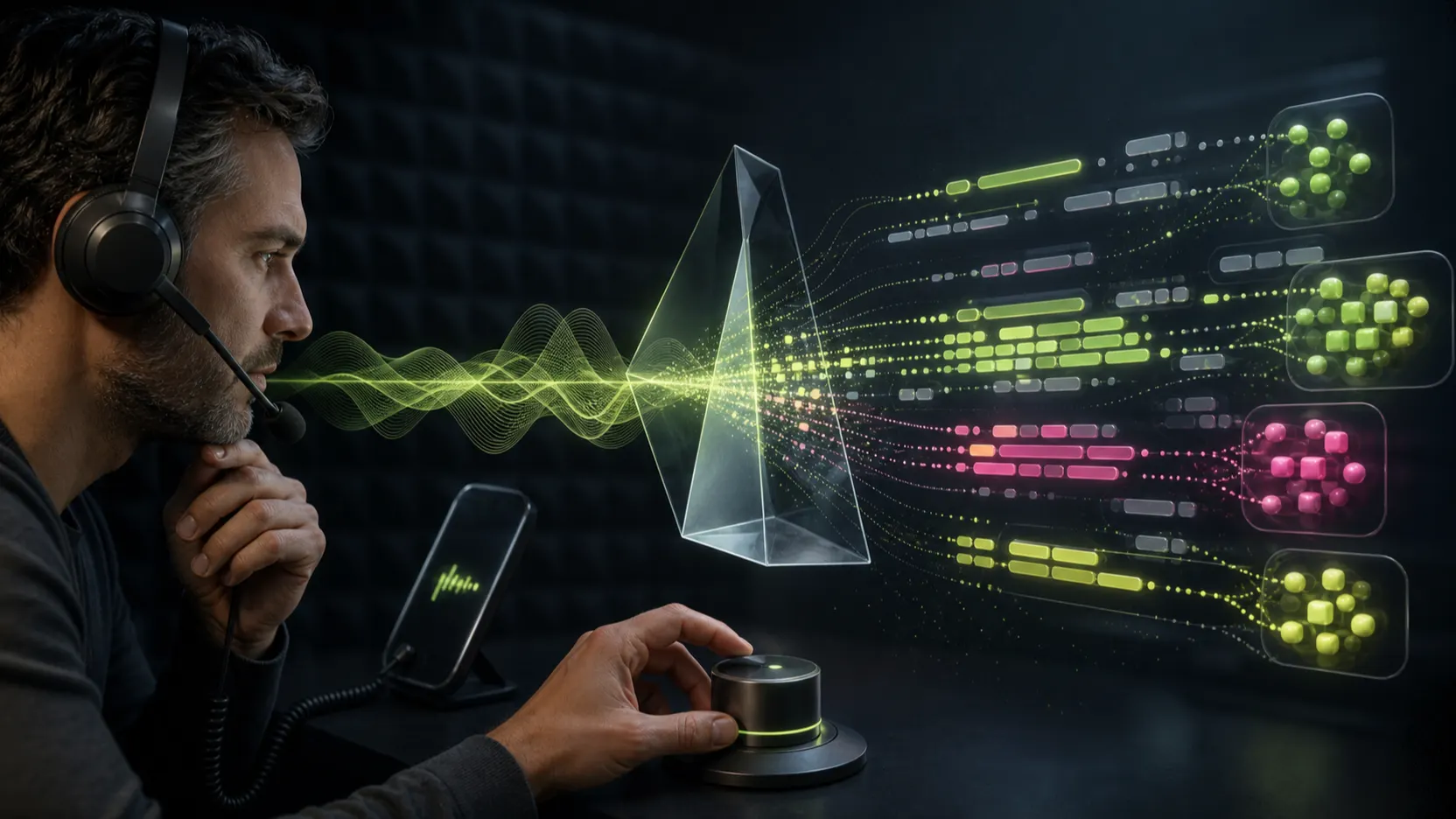
AI conversation analysis is useful as a coaching tool: it finds recurring questions, missed steps, and reasons for lost deals. Using it as an automatic whip for employees is a bad idea.
Where should you start if everything is still manual?
Define recording legality, the list of roles with access, and a scoring rubric: call goal, questions, next step, objections, and outcome.
How do you check that the setup will not cause harm?
Test a short recording, poor audio, a multi-party conversation, and a thread with personal data.
What should you do with an unclear result?
Mark the recording low_quality or needs_review and do not use it for employee evaluation.