
How I would approach “OpenRouter API: One Key for Multiple Models Without Losing Control” without extra tools first
For “OpenRouter API: One Key for Multiple Models Without Losing Control”, map the input, allowed actions, review point and business outcome before choosing a model or integration. For “OpenRouter API: One Key for Multiple Models Without Losing Control”, I would start with “routine request handling” as the first cut of a repeatable workflow: define the input, expected result and the person who owns the next step.
The mistake I would remove first: Choosing a platform before describing “a repeatable workflow” adds complexity without a clear outcome.
What to prepare before the first launch
- Describe the business problem first: a repeatable workflow, not a list of tools.
- Build the smallest version around the “routine request handling” workflow and do not expand it before checking the outcome.
- Set an owner for exceptions and an event log in advance, then compare cycle time and manual corrections with the current process.
What I would do step by step
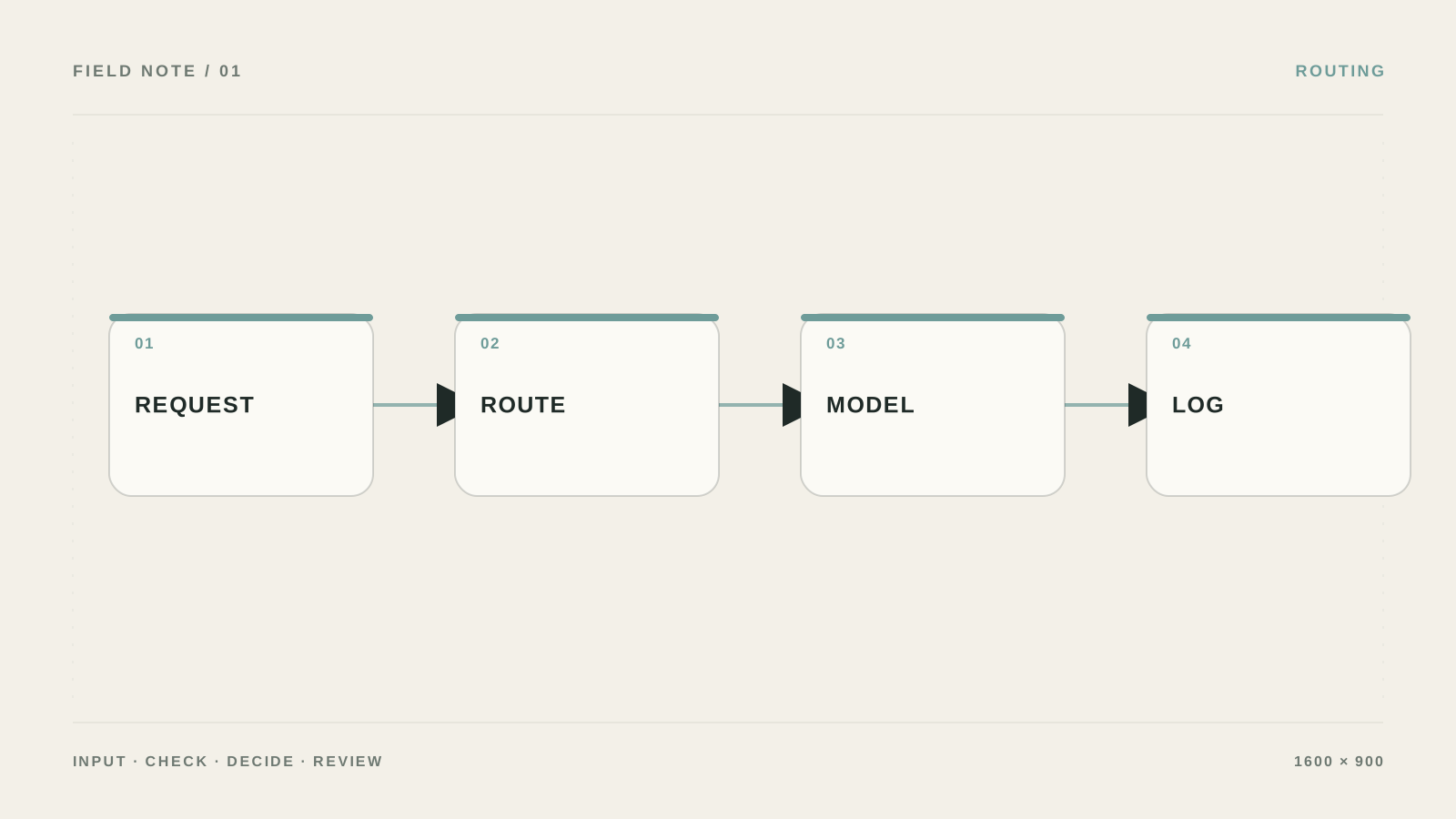
- Map the current workflow
Record the input, decisions, exceptions and owner for the “routine request handling” workflow.
- Build the smallest version
Keep one channel, one source of data and only the actions you need.
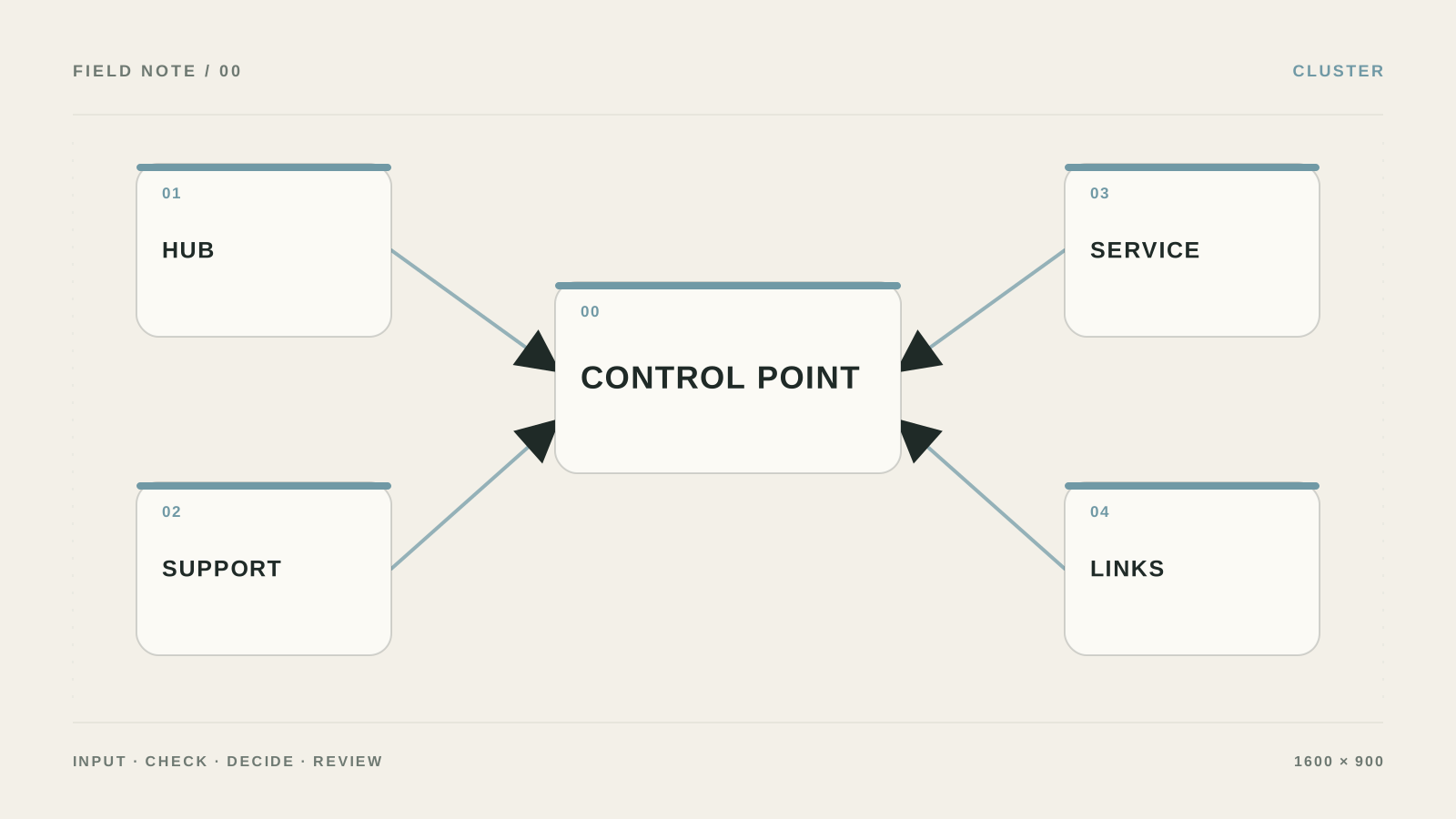
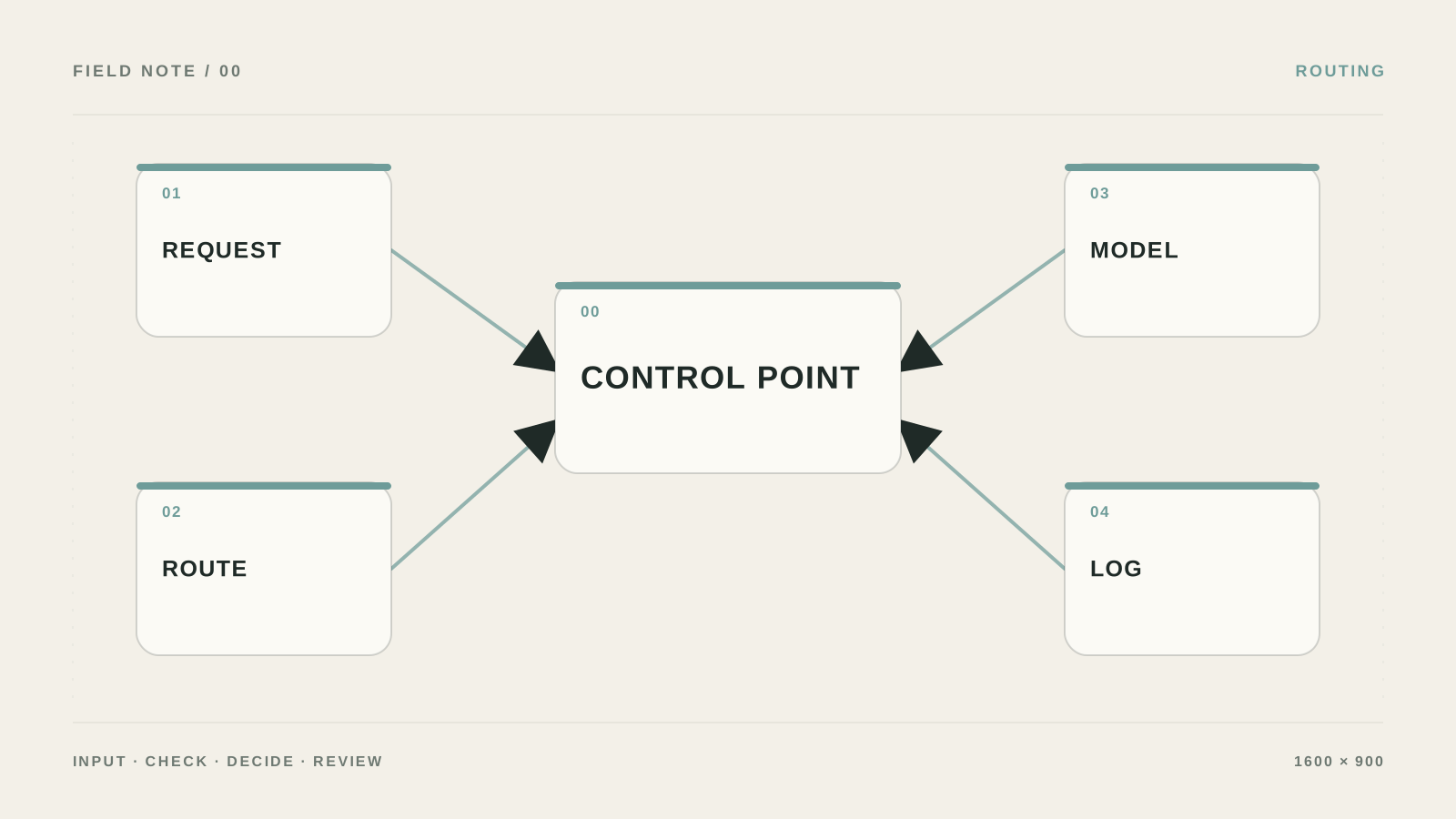
- Add control points
Set an owner for exceptions and an event log; complex cases should move to a person.
- Check the next step
Compare cycle time and manual corrections, review errors and only then decide whether to expand.
Define the first workflow contract
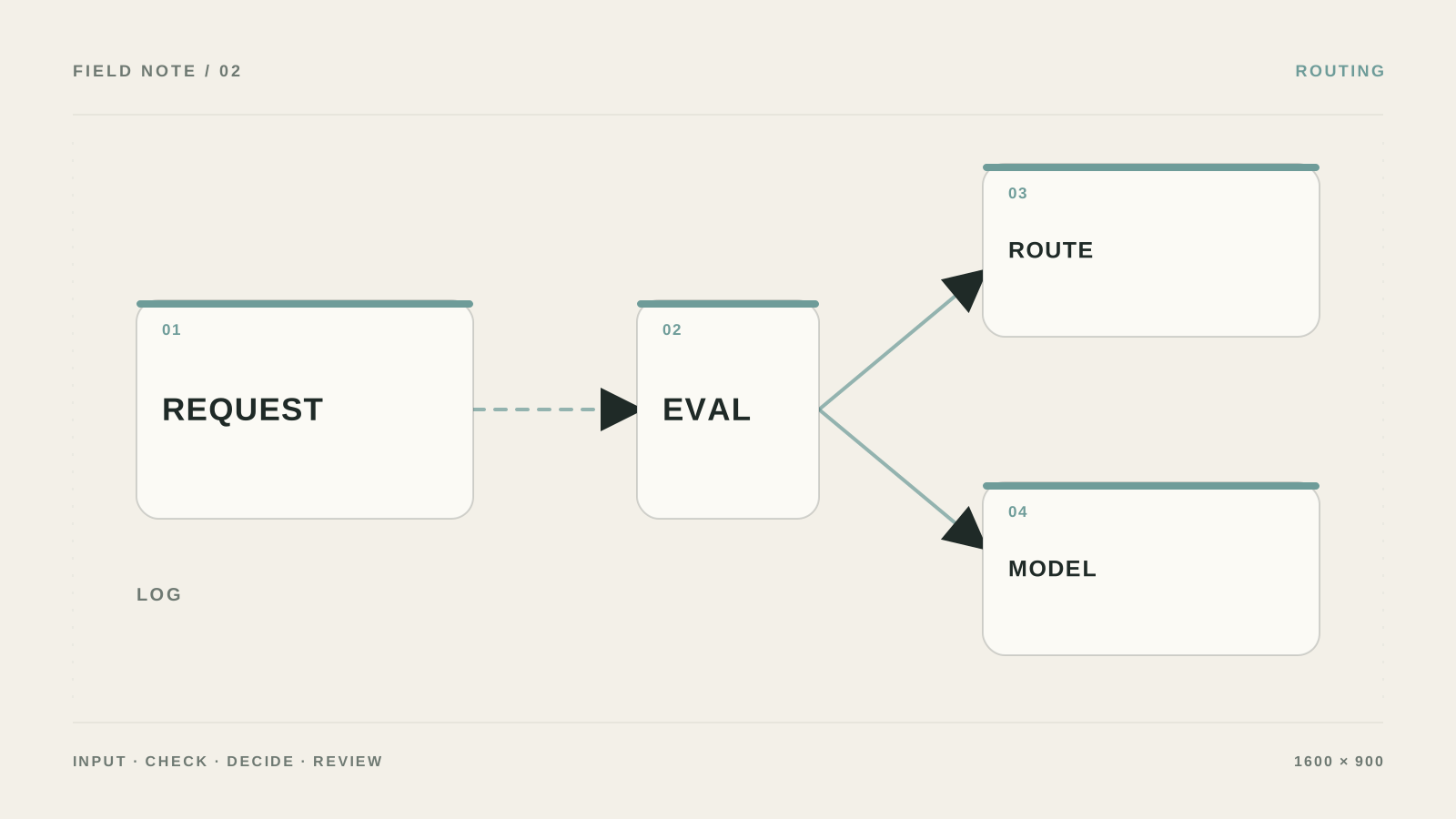
Use “routine request handling” as the first bounded scenario for “OpenRouter API”. Write down what comes in, what may change and what must stay with a person.
Keep an owner for exceptions and an event log visible in the workflow so an exception has a destination instead of disappearing in a log.
- Compare cycle time and manual corrections with the current process.
- Keep the original input next to the generated result.
Build a working checklist before tools
Before buying another platform for a repeatable workflow, list fields, owners, allowed actions and the failure route for “routine request handling”.
If the checklist is vague, the model or automation will invent process details that nobody owns.
- One owner per exception type.
- No irreversible action in the first pilot.
Test the edges before rollout
Run ordinary, incomplete, ambiguous and out-of-scope cases before enabling the next action. A useful failure is one that reaches a named owner.
If the test is stable, expand one variable at a time: channel, volume or permission.
- Do not add a second system before reviewing the first errors.
- Record the decision and the date of the next review.
What to compare before choosing a tool
| Criterion | Question | Good sign |
|---|---|---|
| Value | What outcome is needed for “a repeatable workflow”? | An owner and a way to compare the current and new workflow |
| Data | What data does the “routine request handling” workflow need? | Only the minimum necessary data is used |
| Quality | How will you check an owner for exceptions and an event log? | Test cases and a clear escalation rule |
| Scale | What changes as volume or channels grow? | Limits, logs and a support plan |
What should change after setup
After a bounded test for a repeatable workflow, you should have a workflow with a clear owner, a route for exceptions and a baseline for cycle time and manual corrections.
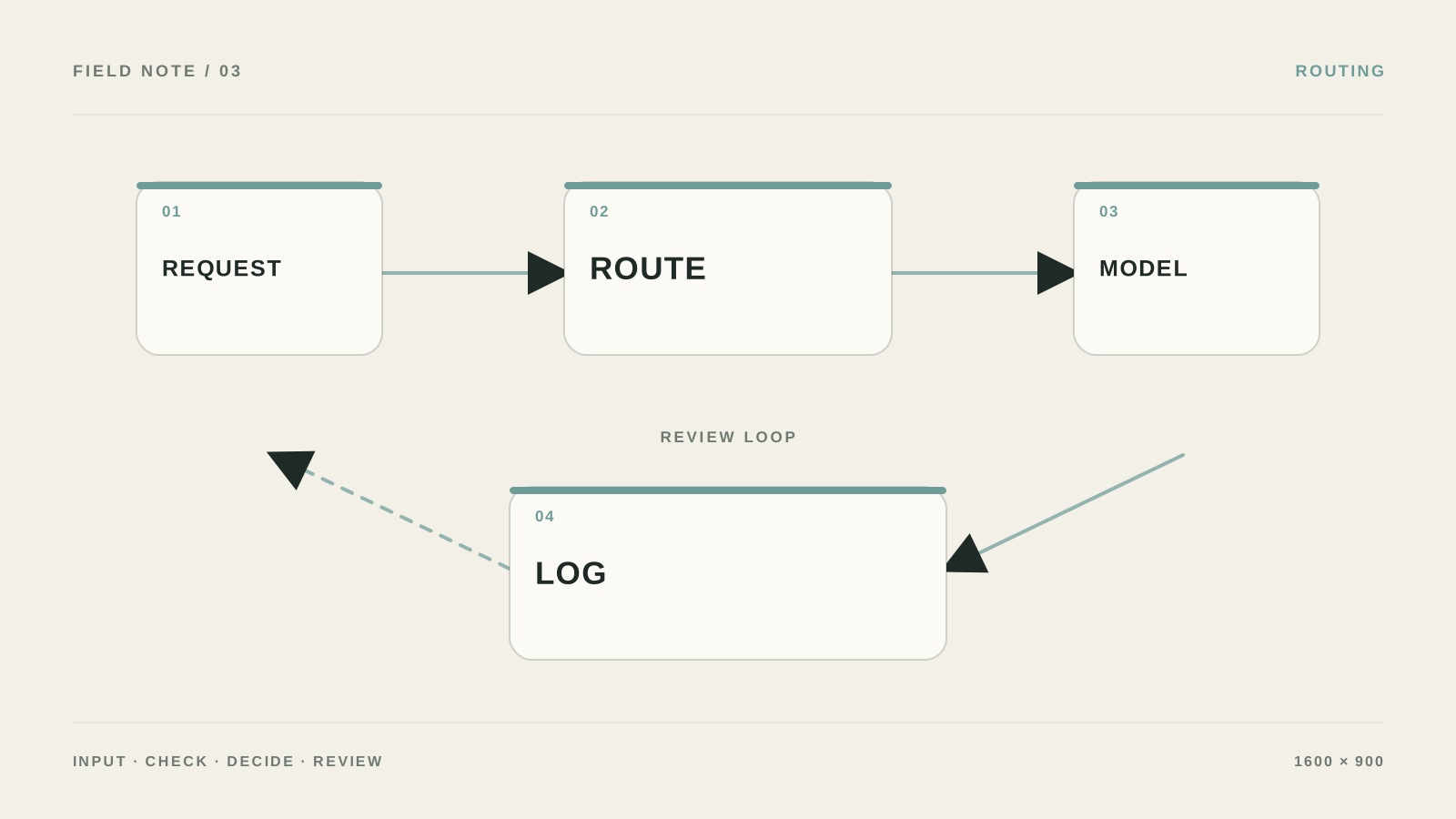
Where this usually breaks
Choosing a platform before describing “a repeatable workflow” adds complexity without a clear outcome.
Adding channels before reviewing errors makes the cause of a failure harder to find.
If an owner for exceptions and an event log is not defined first, exceptions can go unnoticed.
Measure cycle time and manual corrections, not system activity, against the current workflow.
When to involve a specialist
For AI automation, involve a specialist when the workflow crosses systems or touches customer data, needs role-based access, or cannot reliably maintain an owner for exceptions and an event log in the team.
Frequently asked questions
Who is this guide “OpenRouter API: One Key for Multiple Models Without Losing Control” for?
It is for people responsible for the “routine request handling” workflow who want to test the next step before expanding.
Where should work on “OpenRouter API” start?
Start with one repeatable workflow, a clear owner and a limited set of actions.
How do you check the result?
Compare the current workflow and the bounded test using cycle time and manual corrections.
When should you involve a specialist?
When several systems, sensitive data, role-based access or persistent exceptions are involved.